Group Transportation Tips for Smooth Event Logistics
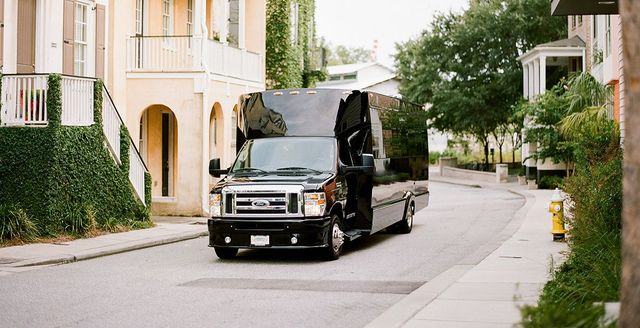
Organizing travel for a large group can be challenging when schedules, convenience, and coordination must work in harmony. Regardless of whether the event is work-related, social, or festive, how guests travel impacts their overall perception. An organized transportation strategy alleviates stress, ensures timeliness, and promotes comfort for guests. Group transportation is not just about moving people from one place to another, but about maintaining flow and professionalism throughout the event. When logistics are smooth, guests can focus on the purpose of the gathering rather than worrying about delays or confusion. Thoughtful planning transforms transportation into a seamless part of the overall experience.
Lowcountry Valet knows that attention to detail is crucial for smooth group coordination. Experience with group travel demonstrates that advance planning, clear communication, and adaptability are vital for seamless execution. Group transportation should feel effortless to guests, even though it requires careful behind-the-scenes planning. Foreseeing guest requirements ensures the timetable stays on track and satisfaction is maximized. Well-organized transportation supports the ambiance and overall feel of the occasion. These insights are designed to help planners and hosts create organized, smooth-running events that leave a lasting impression.
Understanding the Scope of Your Event
Effectively handling group travel begins with knowing all aspects of the event. This includes knowing how many guests will be attending, the nature of the event, and the overall timeline involved. Different events have different transportation needs, and clarity at this stage helps prevent complications later. Understanding when and how guests will arrive and leave informs the schedule. By clearly outlining these factors early, transportation can be aligned with the event’s flow rather than becoming an afterthought. A detailed overview provides a strong foundation for every decision that follows.
It is equally important to consider the type of experience guests should have during transit. Travel can influence first impressions and set expectations for the celebration. Knowing the tone—sophisticated or casual—guides vehicle choices and timing. Size is one factor, but timing, stops, and itineraries also impact planning. Taking time to map out every movement ensures no segment of the group feels overlooked. This level of awareness keeps transportation aligned with the event’s purpose and energy.
Creating a Detailed Transportation Timeline
A clear transportation timeline is essential for keeping group logistics on track. Creating precise transport windows balances consistency with adaptability. A timeline should reflect the event agenda and account for transitions between locations. When transportation is synchronized with the schedule, guests experience fewer delays and smoother transitions. Planning buffer time between movements reduces stress and helps accommodate unexpected changes. A strategic timeline ensures smooth, stress-free group travel.
Clear communication is key to implementing a timeline successfully. All participants should know pickup points and timing. Transparency avoids misunderstandings and missed transfers. Timely communication ensures guests feel confident and prepared. The schedule guides transportation personnel and organizers alike. When everyone operates from the same plan, logistics feel seamless and organized.
Selecting the Right Vehicles for Group Needs
Selecting the right cars or buses determines the effectiveness of group travel. Group numbers, travel distance, and comfort expectations shape the selection. Vehicles should offer ample space so guests can travel comfortably without feeling crowded. Interior features also contribute to the overall experience, especially during longer rides. Choosing transport in line with the event’s style maintains a cohesive look. Correct choices improve the flow and enjoyment of the event.
Beyond capacity and comfort, accessibility and ease of entry should be considered. Group transportation often includes guests with varying needs, making thoughtful planning essential. Transport that facilitates quick, safe boarding maintains timeliness and comfort. Uniform vehicle style reinforces professionalism. A coordinated fleet enhances perception of the event. Attention to these details reflects a commitment to guest satisfaction.
Coordinating Professional Chauffeurs and Support
Skilled chauffeurs are essential for managing flawless group transportation. Their expertise helps them foresee potential issues and respond efficiently. Clear coordination ensures that chauffeurs understand the event schedule and guest expectations. Lowcountry Valet combines meticulous preparation with professional driving to keep operations smooth. Driver expertise enhances timeliness, security, and passenger experience. Effective teamwork fosters confidence for everyone involved.
Back-end coordination helps maintain smooth transportation. Real-time coordination between drivers and planners keeps travel seamless. Adaptive planning ensures minimal disruption from small changes. Informed drivers help guests feel comfortable and confident. Blending planning with flexibility keeps group travel dependable. Such strategy reduces interruptions and enhances attendee satisfaction.
Ensuring Clear Communication with Guests
Informing attendees clearly is key to smooth group travel. Providing straightforward instructions helps guests know what to expect and where to be. When details are shared in advance, guests arrive prepared and confident. Uniform communication minimizes confusion and inquiries. Communication should be concise yet thorough, covering pickup times, meeting points, and general expectations. Attendees who understand the plan help travel flow efficiently.
Updating guests prior to the event improves alignment. Reminders help ensure everyone stays aligned with the transportation plan. This proactive approach demonstrates organization and attention to detail. Participants respond positively to clear instructions for coordinated travel. Clear messaging builds confidence and collaboration among guests. Properly informed attendees ensure effortless travel.
Preparing for Last-Minute Adjustments
Unexpected developments can occur despite thorough preparation. Building flexibility into transportation logistics allows adjustments without disrupting the overall experience. Including buffer periods mitigates delays and reduces tension. Foreseeing problems allows organizers to act with ease. Responsive logistics keep transportation consistent despite changes. Adaptability reflects thorough, effective planning.
Preparedness also includes having clear protocols for handling changes. When everyone involved knows how adjustments will be communicated, confusion is minimized. Adaptable scheduling ensures smooth operations and guest ease. Transportation should feel steady and reliable, even when the more info plan evolves. Steadiness in logistics reinforces an organized experience. Smooth operations increase guest satisfaction.
Enhancing the Overall Event Experience
How attendees travel greatly influences the event experience. A smooth ride sets a positive tone and reinforces the quality of the event. Comfort, punctuality, and professionalism all contribute to guest satisfaction. Travel must integrate naturally into the event rather than feel separate. Smooth transportation reinforces the purpose and energy of the gathering. Thoughtful planning elevates the entire experience.
The end of the event is shaped by how smoothly guests depart. A coordinated departure allows guests to conclude the experience on a positive note. Lowcountry Valet maintains the same quality for departures as arrivals for a cohesive experience. Participants notice and enjoy a polished exit process. This attention to detail reinforces the value of professional transportation planning. Properly handled departures leave guests with a lasting positive impression.